Is your slate roof shedding tiles or showing signs of "nail sickness"? At TD Roofing Contractors, we provide specialized slate roof repairs in Bristol, combining 20 years of traditional craftsmanship with modern diagnostic technology.
Unlike modern tiled roofs, slate failure is often "invisible" from the ground until a major leak occurs. We specialize in diagnosing:
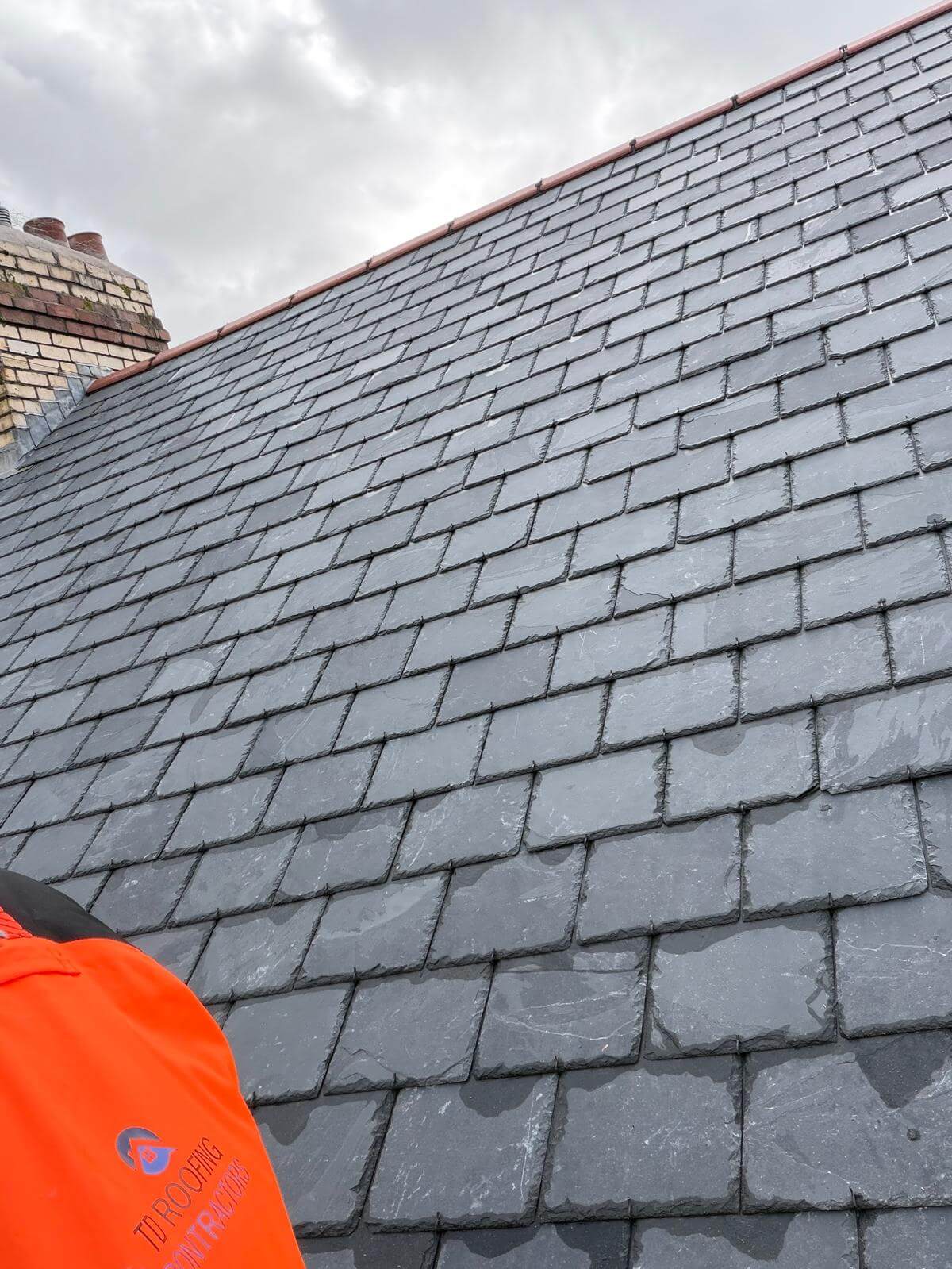
Nail Sickness (Corrosion): Common in Bristol homes built before 1950. The original iron nails rust away, causing slates to slip. We perform "tingle" repairs for minor issues or full strip-and-re-nails for advanced failure.
Delamination: The South West’s damp, salty air can cause lower-grade slates to "soften" and split into layers. We identify and replace these failing units before they compromise the entire roof.
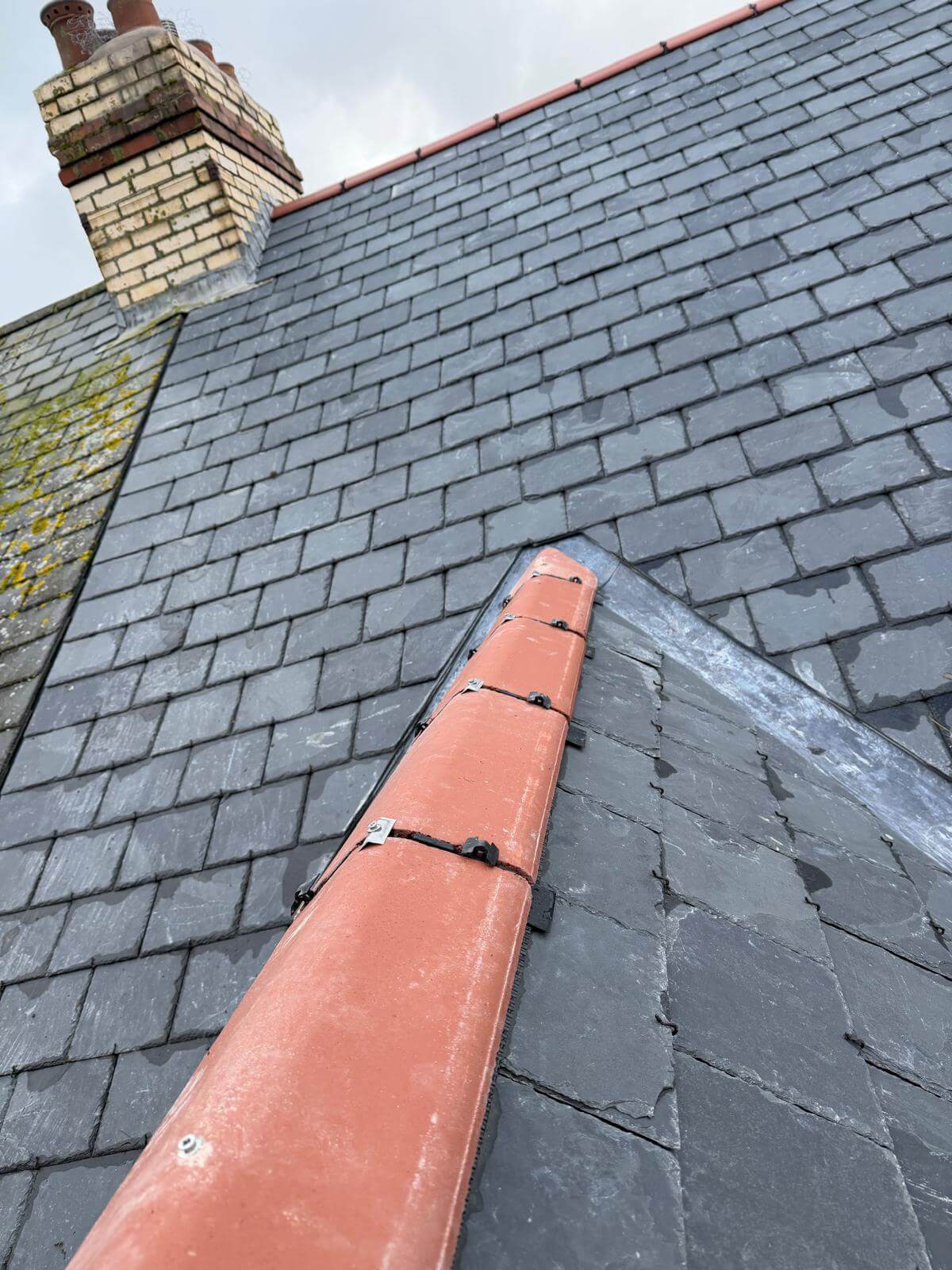
Failed Lead Valleys & Flashings: A slate roof is only as good as its junctions. We provide specialized Code 4 and Code 5 leadwork for chimneys and valleys, ensuring a watertight seal.
"Butterfly Roof" Internal Leaks: We are experts in the internal valley systems found in Montpelier and Totterdown, which often leak due to debris buildup or failed slate laps.


To rank among the best roofers in Bristol, we offer authentic material matching to satisfy Conservation Area requirements:
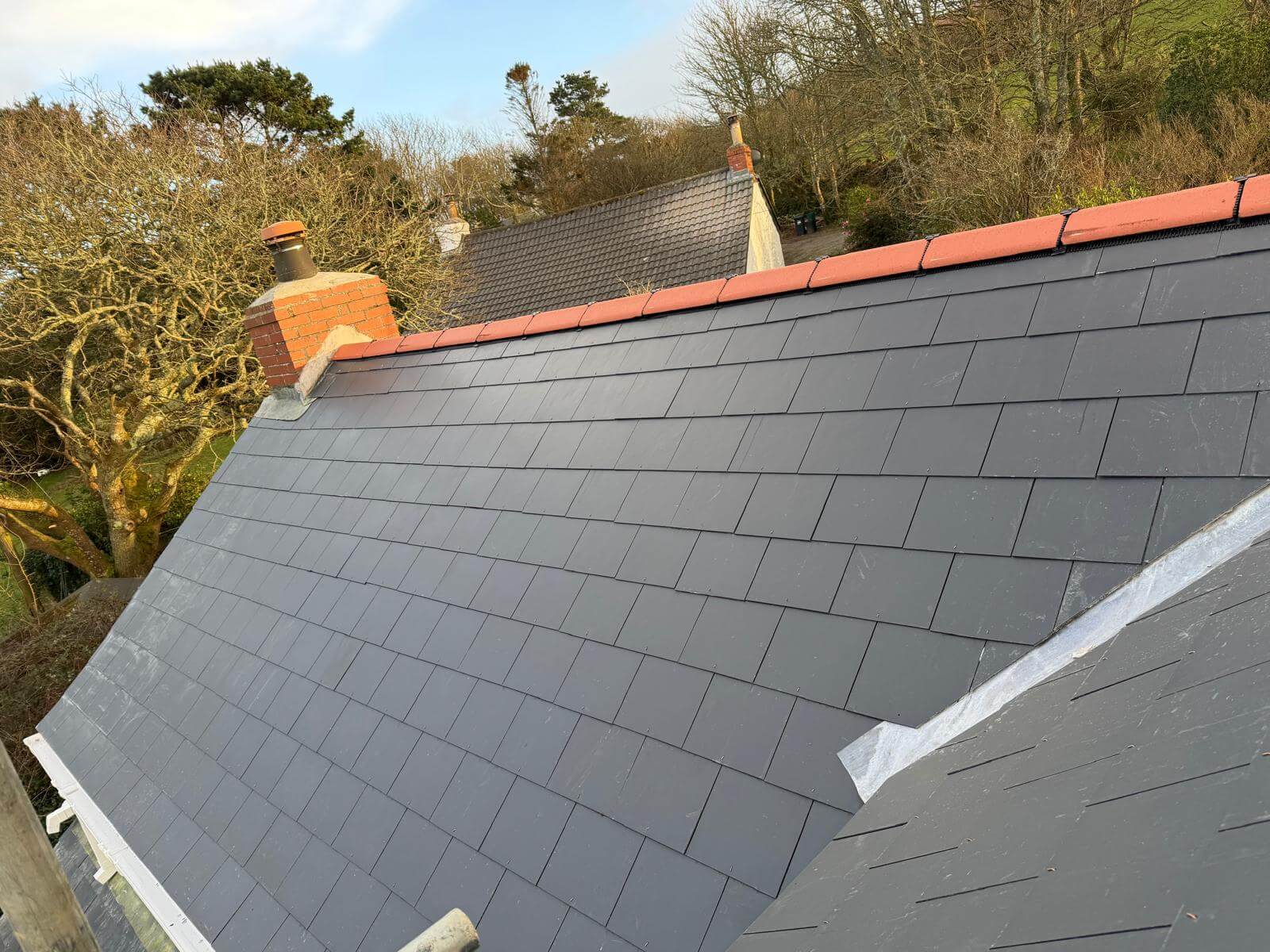
The "Gold Standard" for Clifton and Redland. Known for its iconic blue-grey and heather-purple tones, Welsh slate can last over 100 years. We use it for premium heritage restorations where authenticity is non-negotiable.
The most common choice for Bishopston and Horfield. We source high-grade Spanish natural slate that offers an excellent balance between cost and a 75-year lifespan.
For sensitive repairs in Cotham or St Andrews, we source reclaimed slates from local architectural salvage yards. This ensures your repair is invisible, matching the weathered patina of your existing roof perfectly.
TD Roofing Contractors provides rapid-response roofing services throughout the entire BS postcode area. With over 20 years in the city, we understand the specific challenges of Bristol’s architecture—from the exposed heights of Clifton to the historic terraces of Southville.
North Bristol: Clifton (BS8), Redland & Cotham (BS6), Westbury-on-Trym (BS9), and Bishopston (BS7).
South Bristol: Bedminster & Southville (BS3), Totterdown (BS4), and Knowle (BS4).
East & West Bristol: St George (BS5), Fishponds (BS16), Kingswood (BS15), and Shirehampton (BS11).
Greater Bristol: Filton, Bradley Stoke, Patchway, Portishead, and Keynsham.
20 Years of Local Expertise: We understand the specific wind-load and "lap" requirements for roofs facing the Severn Estuary.
Traditional Fixing Methods: We use copper or stainless steel nails (not iron) and traditional "hand-dressing" techniques to ensure longevity.
Checkatrade Vetted: Our reputation is built on transparency, tidiness, and technical excellence.
10-Year Workmanship Guarantee: We stand by every repair, from a single slate replacement to a full re-roof.
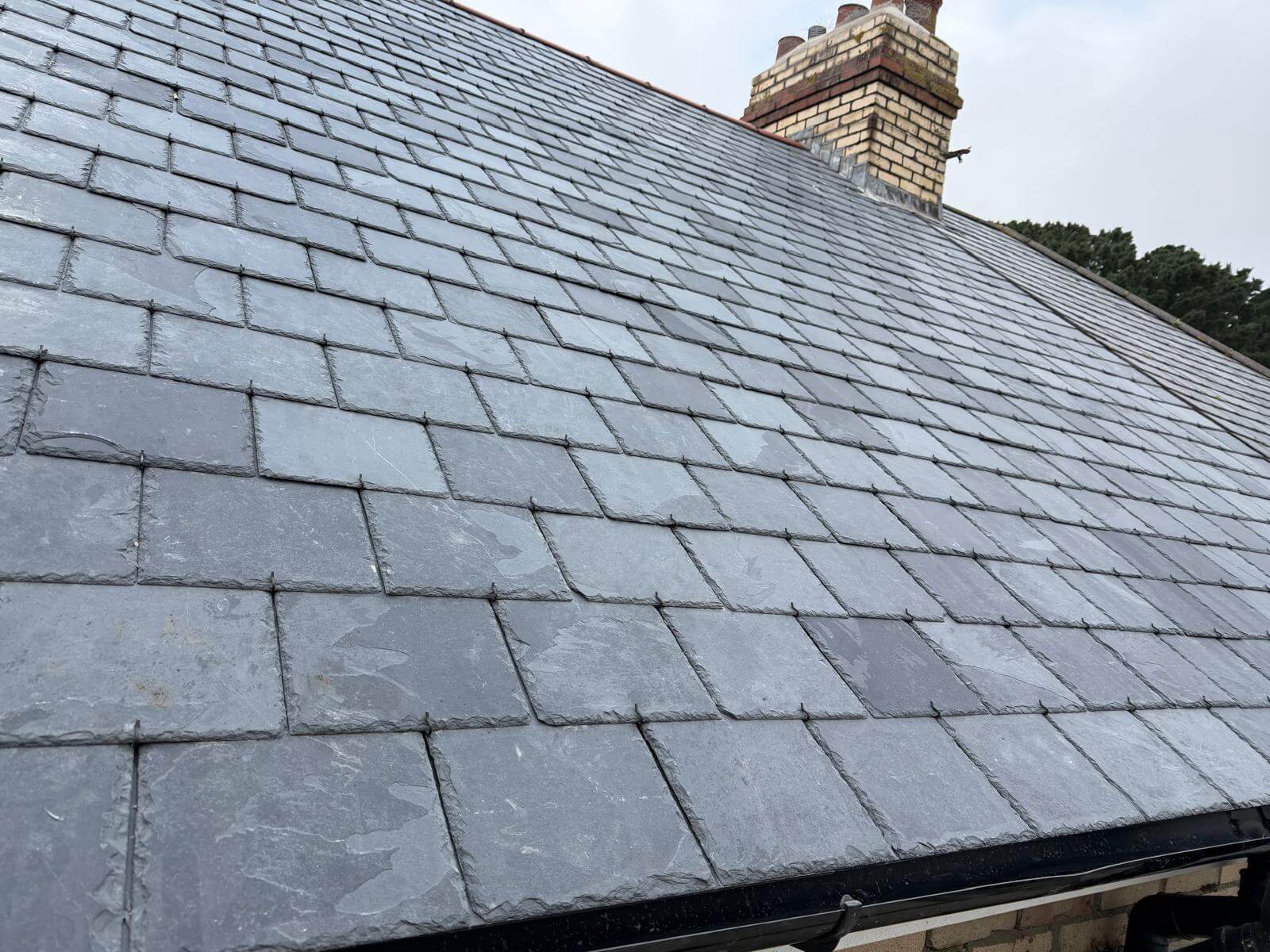
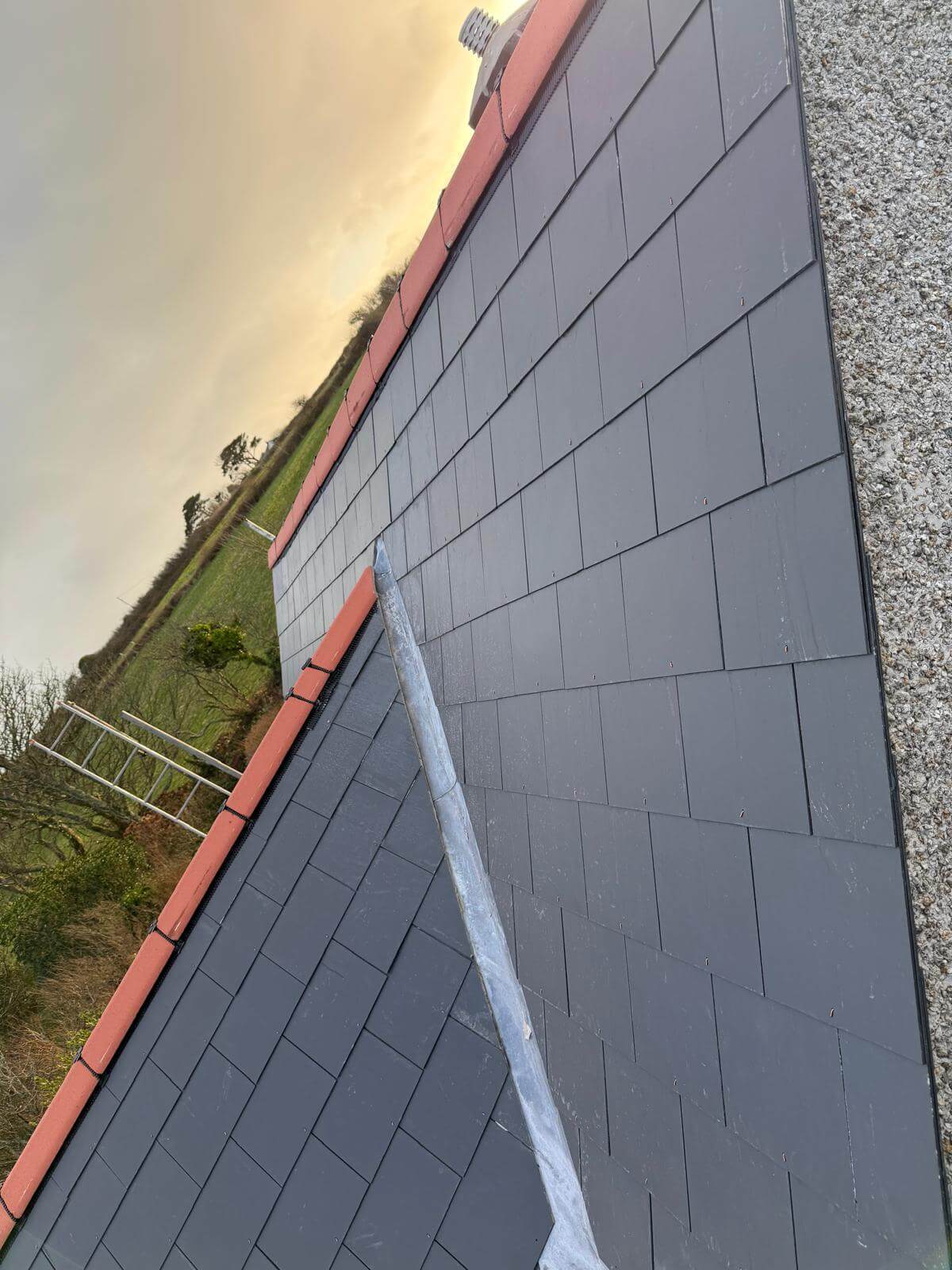
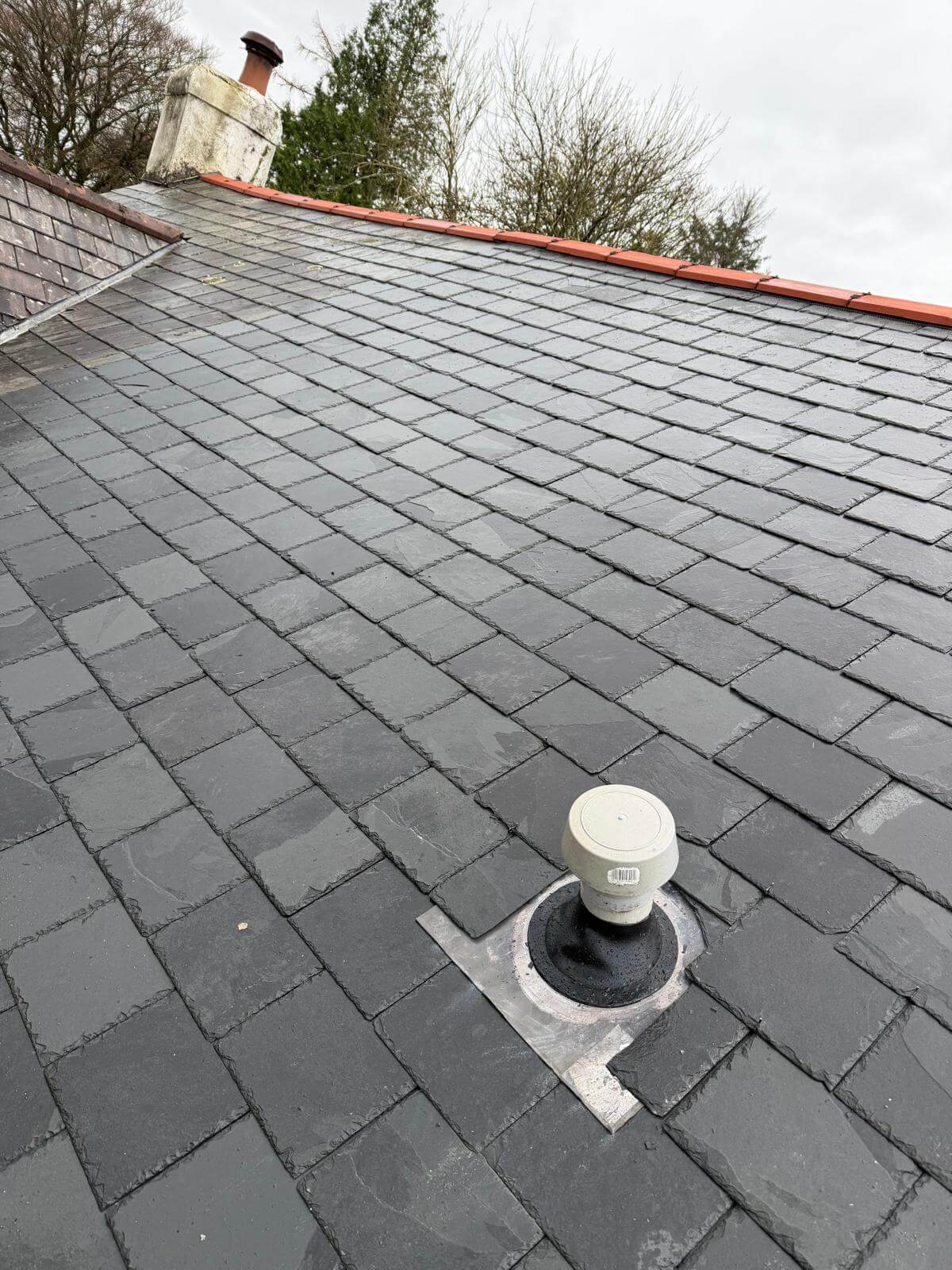
Nail sickness is the corrosion of the fixings holding your slates in place. If you see multiple slates "slipping" down into your gutters, it’s a sign the nails are failing. For localized issues, we use lead "tingles" to secure them. If widespread, we recommend a strip-and-re-nail using your existing slates to save on material costs.
Replacing a few slipped slates typically costs between £150 and £350. A more extensive repair involving leadwork or valley restoration is quoted as a fixed price after our drone survey.
Yes. We are experts in Bristol’s planning requirements. We ensure all materials used—from the slate type to the lead weight—comply with local heritage standards to protect your property's value.
No. Slate is brittle and will crack under your weight, causing more damage than you started with. Professional slate roofers use specialized roof ladders and "crawling boards" to distribute weight safely.
A well-installed natural slate roof in Bristol can easily last 80 to 120 years. Routine maintenance (clearing gutters and replacing the odd slipped slate) is the key to reaching that lifespan.

Don’t let a few slipped slates lead to a major structural timber bill. Contact the slate roofing specialists Bristol homeowners trust for quality and heritage expertise.
Contact TD Roofing Contractors today for your no-obligation professional roof assessment.

We don’t just "patch leaks." At TD Roofing, we're your Bristol Roofers that deliver engineered solutions specifically designed to withstand the high-velocity winds of the Severn Estuary. Every project is executed strictly to BS 5534 standards, ensuring your home has the maximum wind resistance and structural longevity required for the Bristol climate.


TD Roofing Contractors are your local roofing contractors in Bristol, providing 20+ years of expert service. From emergency roof repairs to new slate installations, we cover all BS postcodes with quality and integrity.
Copyright © 2026 TD Roofing Contractors LTD. All Rights Reserved.
Web Design by Tradesman Marketing Experts