
Most chimney failures in Bristol stem from the use of modern cement on old bricks. In heritage areas like Clifton, Cotham, and Redland, we utilize traditional Lime Mortar repointing.
Unlike modern cement, lime mortar allows the masonry to "breathe." This prevents spalling (where the brick face flakes off due to trapped moisture and freeze-thaw cycles). By using the correct materials, we protect the structural integrity of your stack and preserve the character of Bristol’s architectural history.
Your chimney is the most exposed point of your property, bearing the brunt of the heavy Atlantic winds and driving rain that characterize the Bristol climate. At TD Roofing Contractors, we specialize in high-level chimney restoration, ranging from minor lead flashing repairs to full structural rebuilds across all BS postcodes.
Whether you have a Victorian terrace in Montpelier or a period manor in Westbury-on-Trym, our trade-certified team ensures your chimney remains watertight, safe, and aesthetically historically accurate.


A chimney is a complex system of junctions. We focus on the three critical failure points:
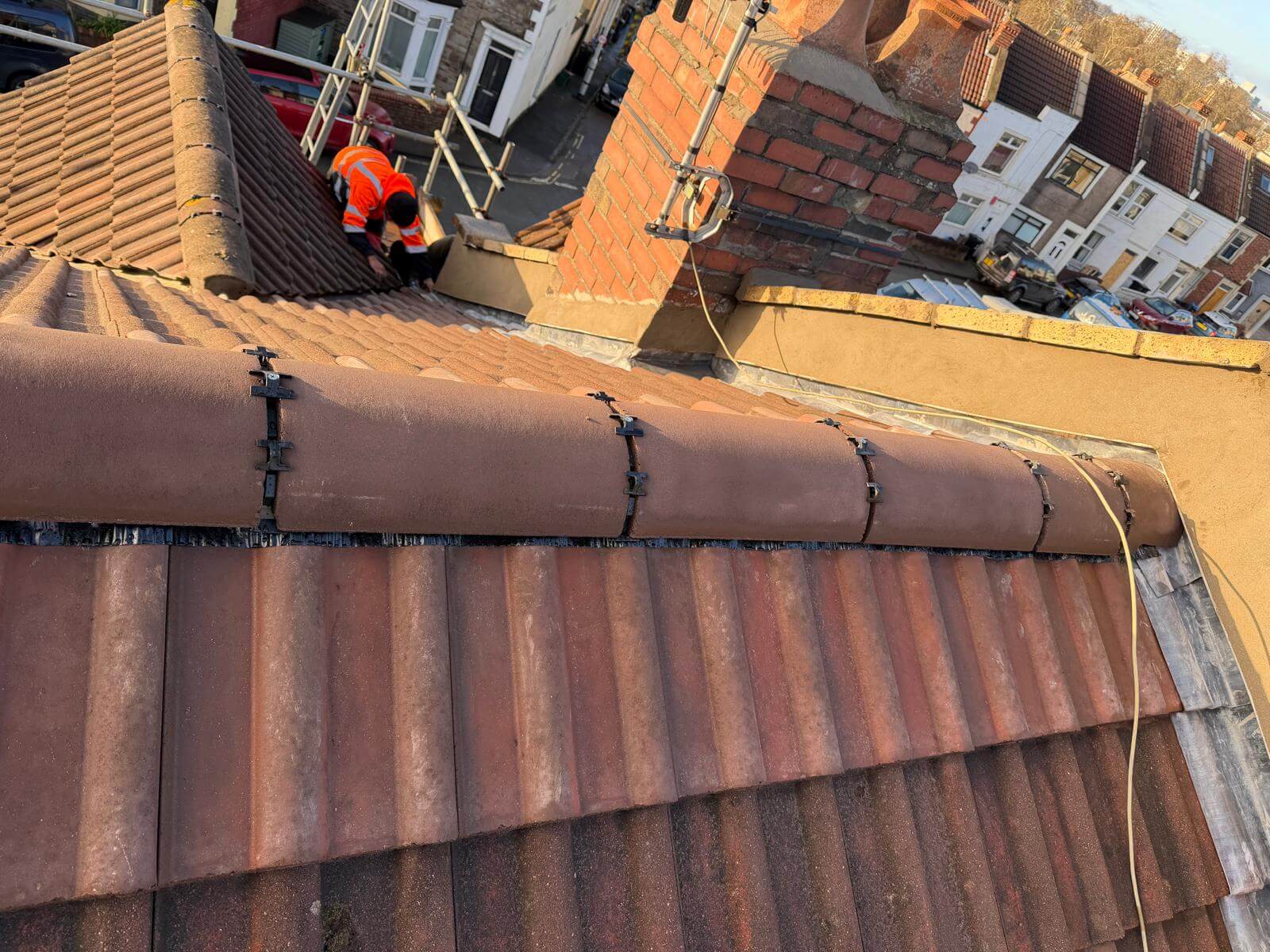
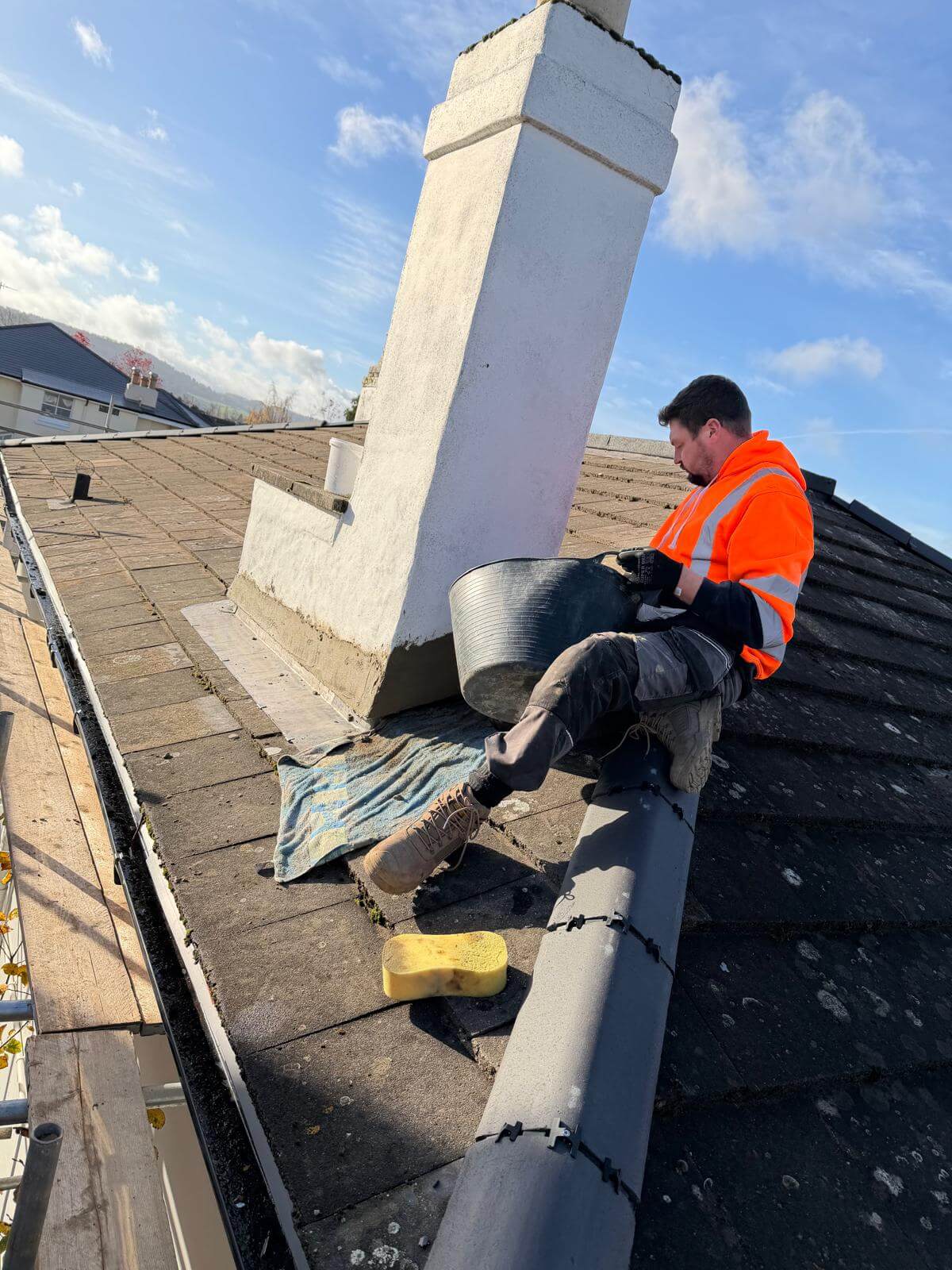
Cheap silicone sealants are a temporary fix that will fail within months. We install Code 4 and Code 5 lead flashing, precision-dressed into the brickwork. Lead is the only material that provides a multi-decade waterproof seal while allowing for the natural thermal expansion and contraction of your roof.
The 'flaunching' is the mortar "crown" that holds your chimney pots in place and sheds water away from the stack. We use reinforced, waterproof mortar mixes to replace cracked or weathered flaunching, preventing water from seeping down into the flues and causing internal damp.
Missing pots or open flues are invitations for nesting birds and rain ingress. We provide chimney pot replacement and install specialized bird guards or anti-downdraught cowls to improve ventilation and prevent internal moisture build-up.
Bristol’s coastal winds can accelerate the decay of chimney masonry. Contact us if you notice:
Damp patches appearing on chimney breasts or upstairs ceilings.
Debris or mortar grit in your fireplace or on the hearth.
Visible cracks in the stack or leaning chimney pots.
Vegetation growth or "white salt" (efflorescence) on the exterior bricks.
20 Years Local Experience: We understand the specific wind-load requirements for chimneys in the South West.
Safety First: We utilize professional towers and scaffolding systems, ensuring every job is OSH compliant.
Checkatrade Approved: Fully vetted and insured for high-level masonry and roofing work.
Heritage Experts: Specializing in the sensitive restoration of period chimneys in Bristol’s Conservation Areas.
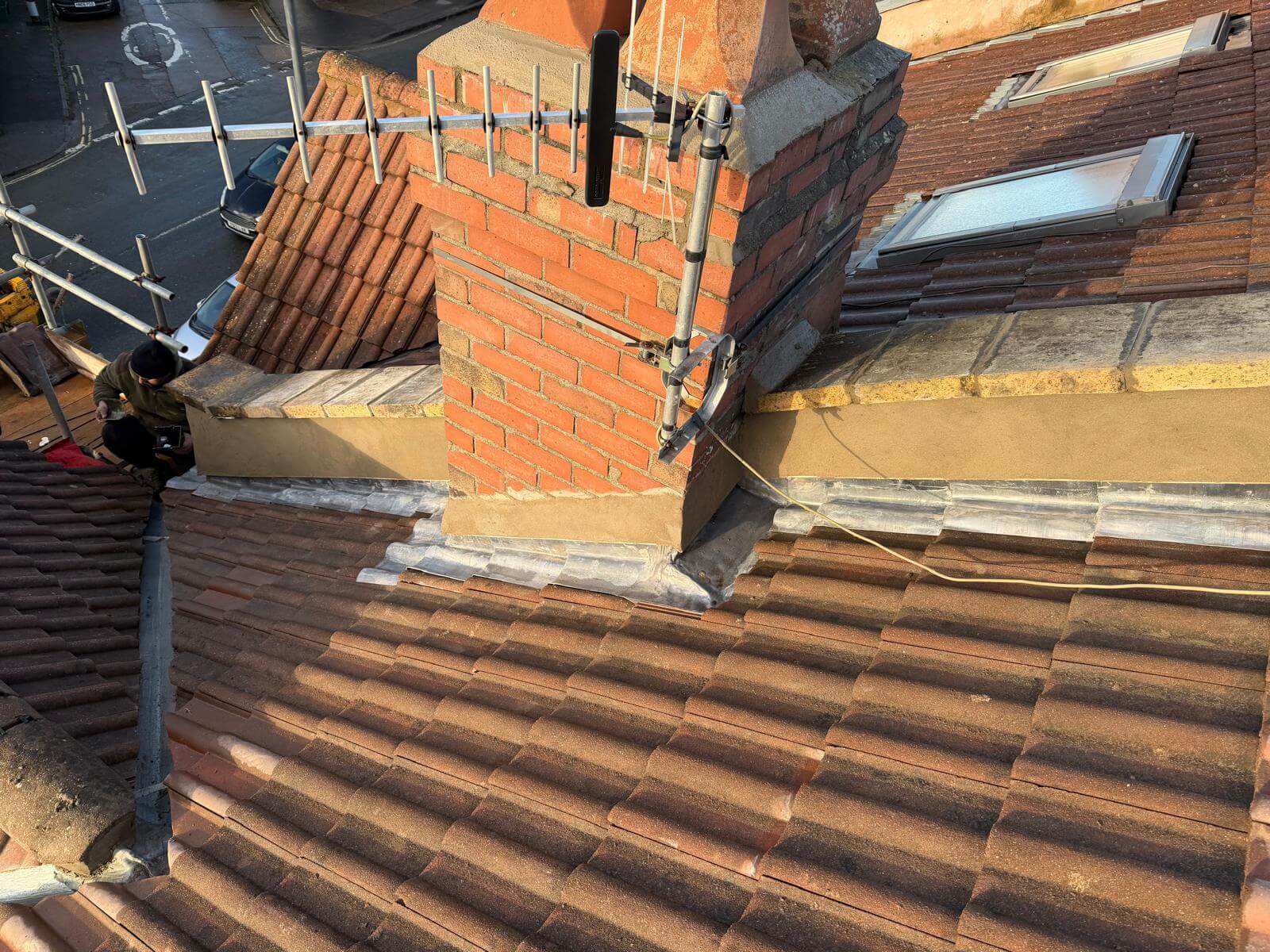
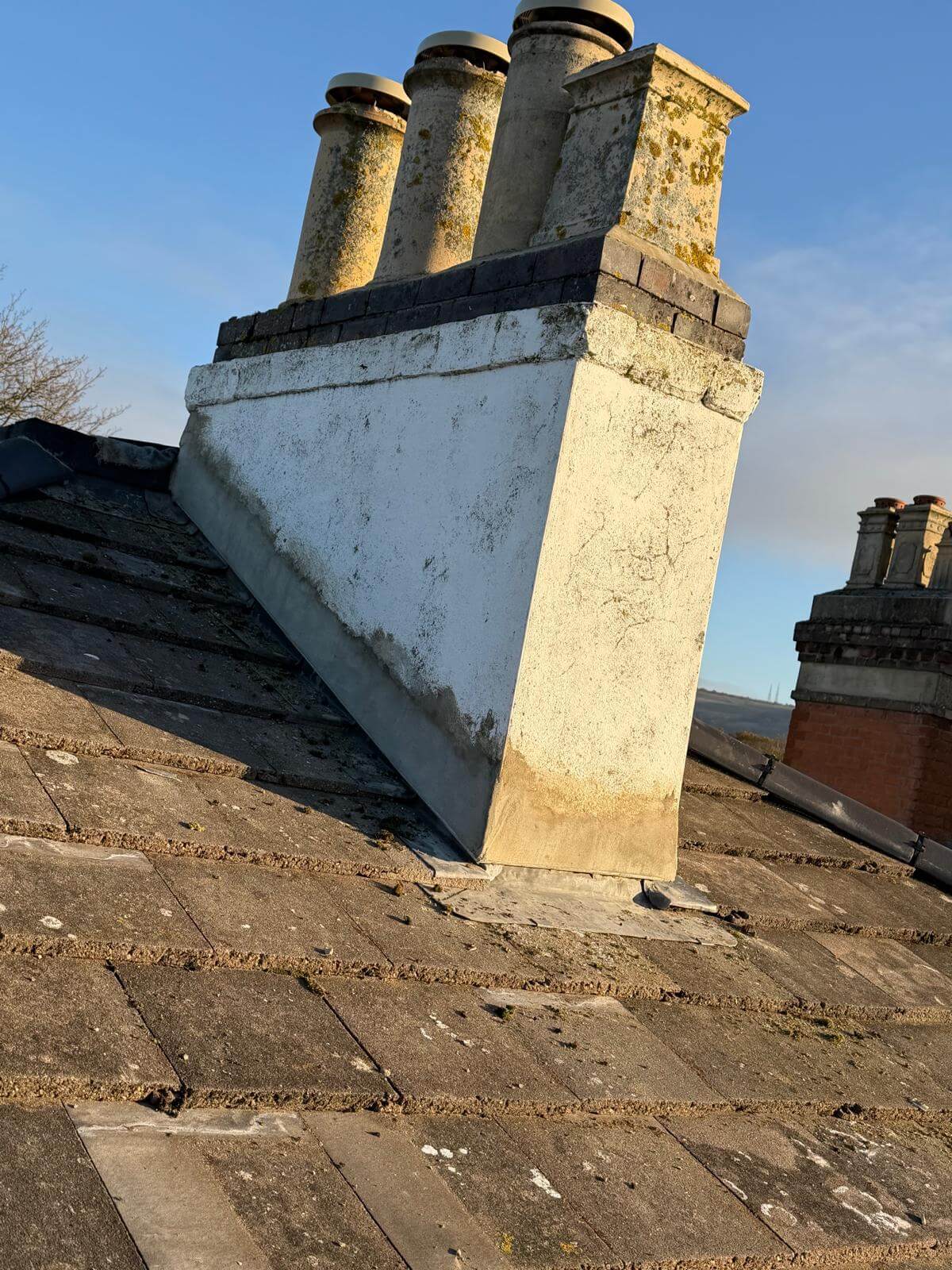
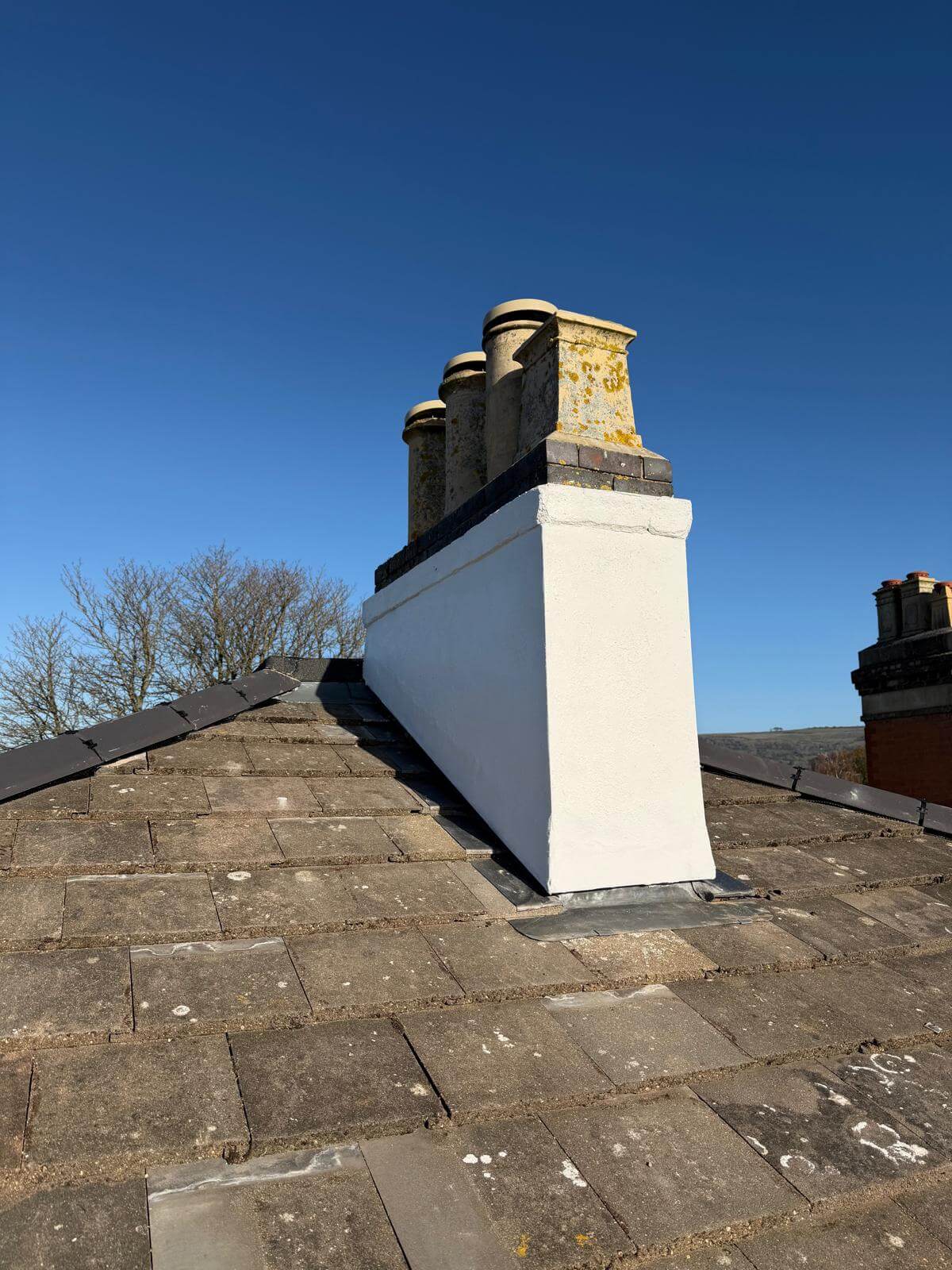
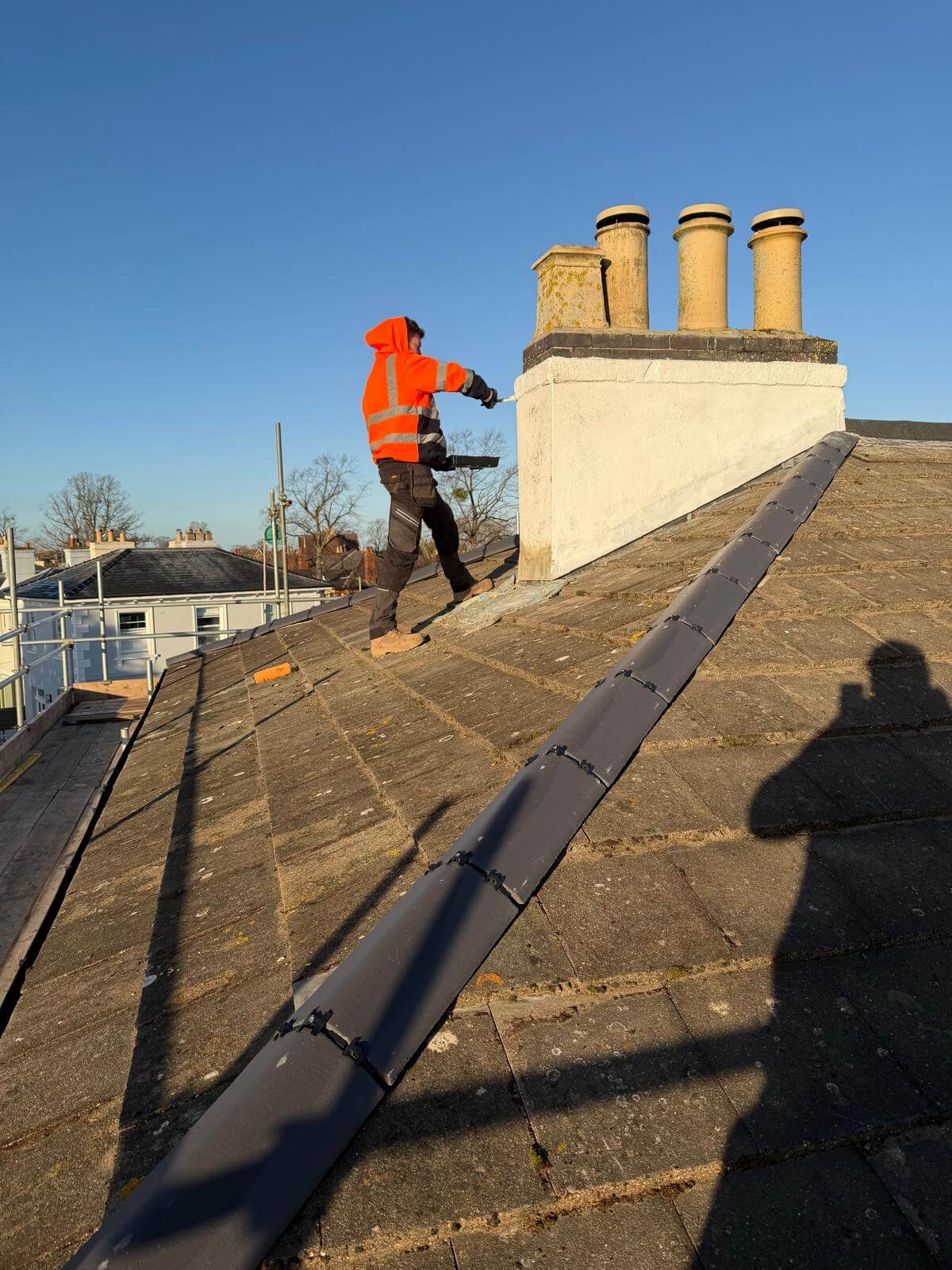
Bristol sees a lot of door-to-door "tradesmen" after a South West gale. We provide the antidote: Video Evidence. Using our 4K drones, we take you up to the stack virtually. If someone says your flaunching is cracked or your pots are loose, we will show you the high-resolution footage so you can see the damage for yourself before spending a penny.
Absolutely. If you are extending into the loft in a Victorian Redland semi, that internal chimney breast is often "dead space." We provide professional external removal (taking the stack below the roofline) and internal structural support. We then slate over the gap using matched reclaimed slates so you’d never know a chimney was ever there.
In most Bristol terraces and semis, the chimney stack is a "Party Structure" under the Party Wall Act 1996. If we are performing structural work or rebuilding a shared stack, you usually need to notify your neighbor. We can provide the technical drawings and documentation to help your Party Wall surveyor or to help you have a friendly, informed conversation with your neighbor before work begins.

Don’t wait for a South West gale to turn a minor crack into a falling masonry hazard. Contact Bristol’s chimney specialists for a professional assessment.
Contact TD Roofing Contractors today for your no-obligation professional chimney assessment.
We don’t just "patch leaks." At TD Roofing, we're your Bristol Roofers that deliver engineered solutions specifically designed to withstand the high-velocity winds of the Severn Estuary. Every project is executed strictly to BS 5534 standards, ensuring your home has the maximum wind resistance and structural longevity required for the Bristol climate.


TD Roofing Contractors are your local roofing contractors in Bristol, providing 20+ years of expert service. From emergency roof repairs to new slate installations, we cover all BS postcodes with quality and integrity.
Copyright © 2026 TD Roofing Contractors LTD. All Rights Reserved.
Web Design by Tradesman Marketing Experts