
Properties in Hanham face weather conditions that differ markedly from flat suburban developments elsewhere in East Bristol. The terrain drops sharply toward Conham River Park and the River Avon, creating an updraft corridor that subjects BS15 properties to severe wind funnelling and persistent river moisture:
River Valley Moisture & Rapid Moss Growth: Cool, damp air drifting up from the Avon Valley keeps north- and east-facing roof slopes damp for extended periods. On older double-Roman clay tiles and 1960s concrete tiles, this microclimate causes dense moss blankets. Moss retains rainwater against tile laps, causing winter frost cracking and washing silt down into valley gutters and downpipes.
Mortar Washout on Exposed Valley Gables: Elevated streets like Mount Hill and Gover Road catch the brunt of south-westerly weather blowing up from the valley floor. High-velocity crosswinds strip moisture out of mortar beds quickly, causing traditional ridge and hip bedding to crack, loosen, and blow out during seasonal gales.
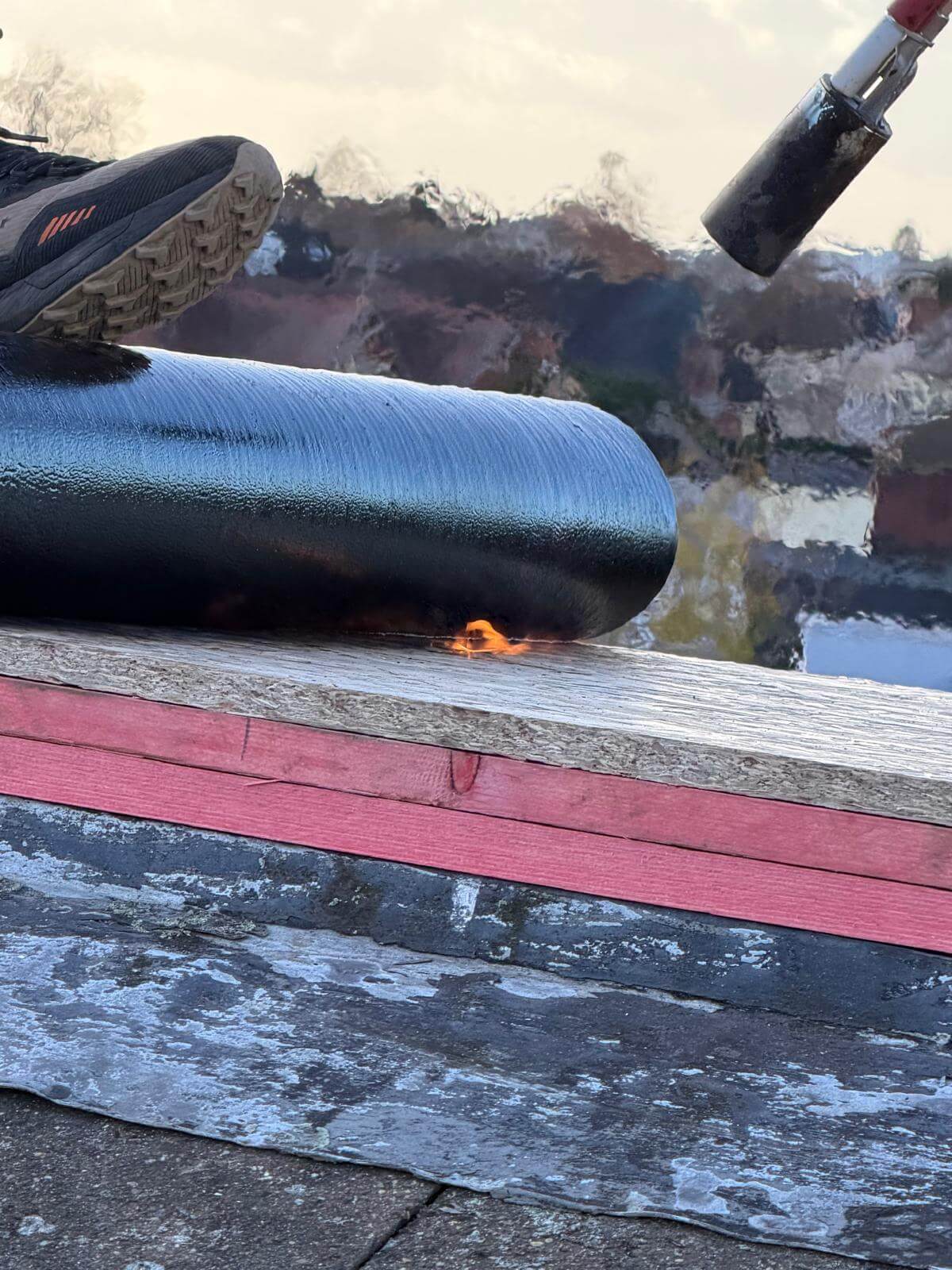
Perished Felt on Rear Lean-to Scullery Roofs: Many period cottages and Victorian-era conversions along the High Street and Lower Hanham Road feature single-storey rear lean-tos and scullery extensions. Built with shallow pitches (often under 15 degrees), these roofs frequently suffer from failed mineral felt or poorly lapped interlocking tiles that allow driving rain to back up beneath the joints.
Pennant Stone Chimney Stack Decay: Older Hanham properties feature chimneys built from local pennant sandstone rubble rather than standard brick. Decades of coal fires followed by modern gas conversions have left internal flues vulnerable to acidic condensate, which leaches through the lime joints and causes damp brown staining across upper bedroom plasterwork.
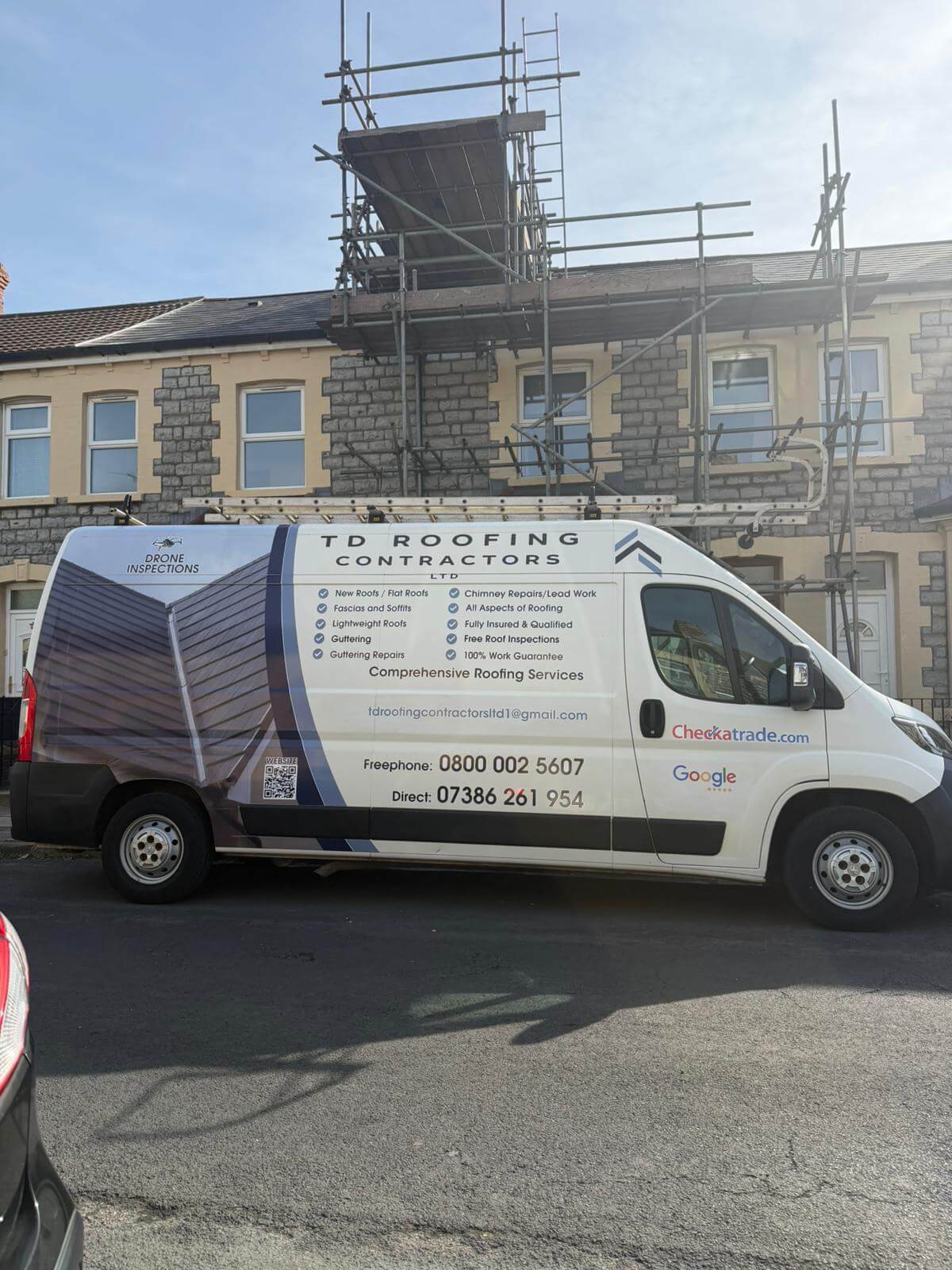
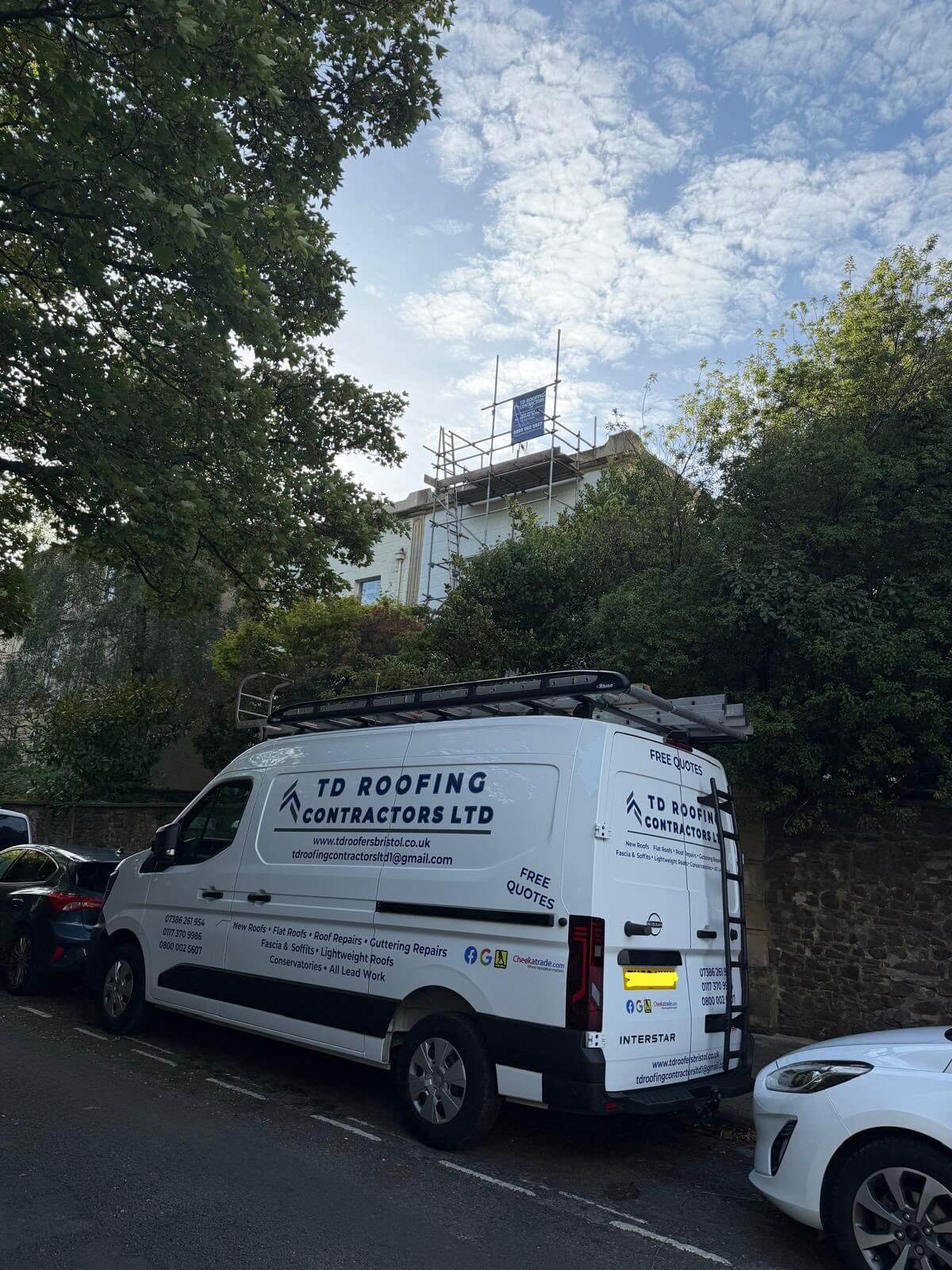
From the original Welsh slate on Georgian townhouses along Clifton Down Road to the flat-roofed extensions tucked behind Victorian semis on Pembroke Road — every roof in BS8 has its own demands. We know the area as your Roofers in Bristol, the architecture, and exactly what each property type needs.



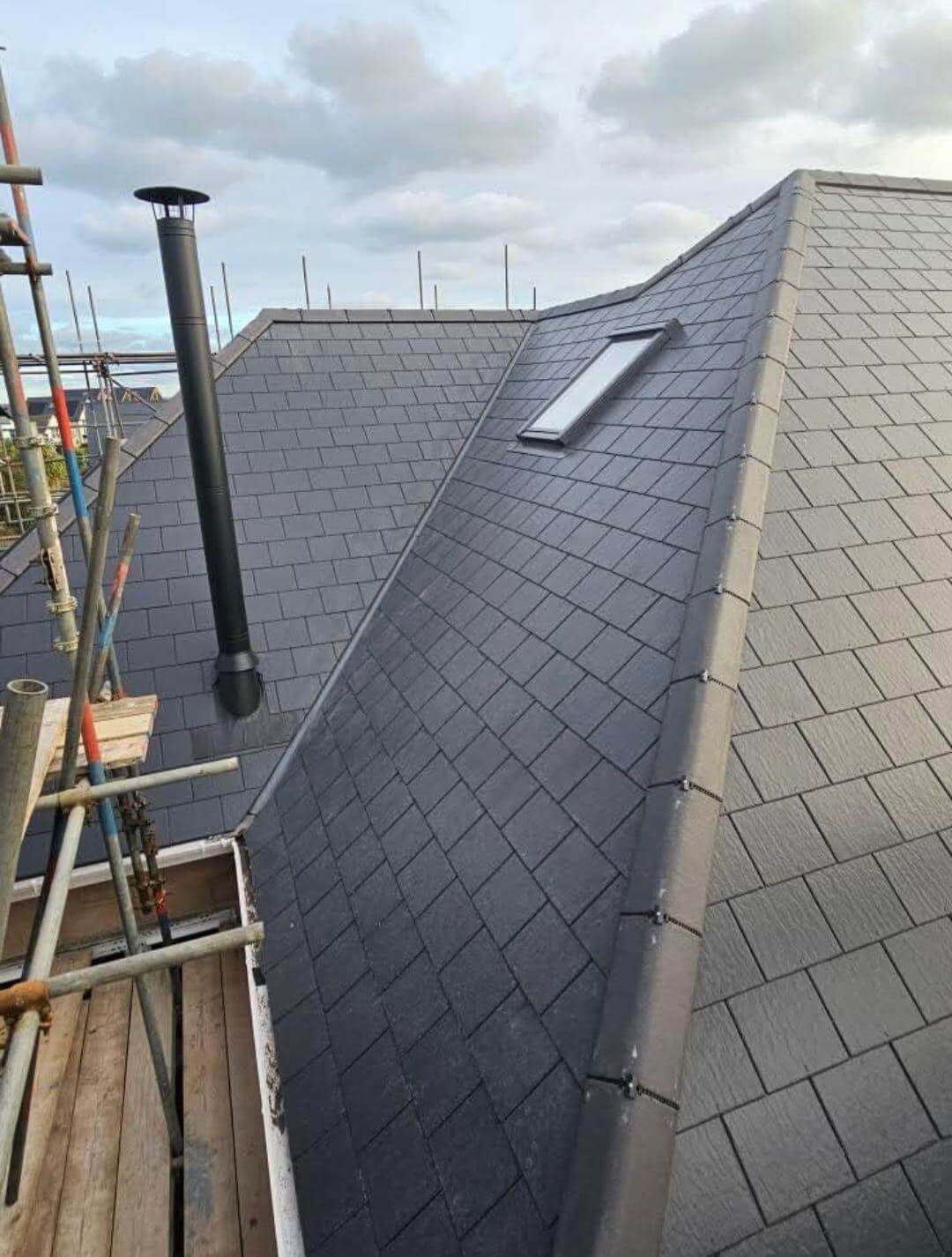
Homes across Whittucks Road, Memorial Road, and Central Avenue were predominantly built using single-lap concrete interlocking tiles laid over unreinforced bitumen felt. Once the tiles reach 50+ years of age, their surface coating weathers away, allowing water absorption. We strip failing coverings down to the bare rafters, install Proctor Air vapour- and air-permeable breathable underlay, and fit new factory-graded BS 5534 treated timber battens. We re-tile using precision-matched Marley or Redland concrete tiles that preserve the established suburban aesthetic while securing the building for another half-century.
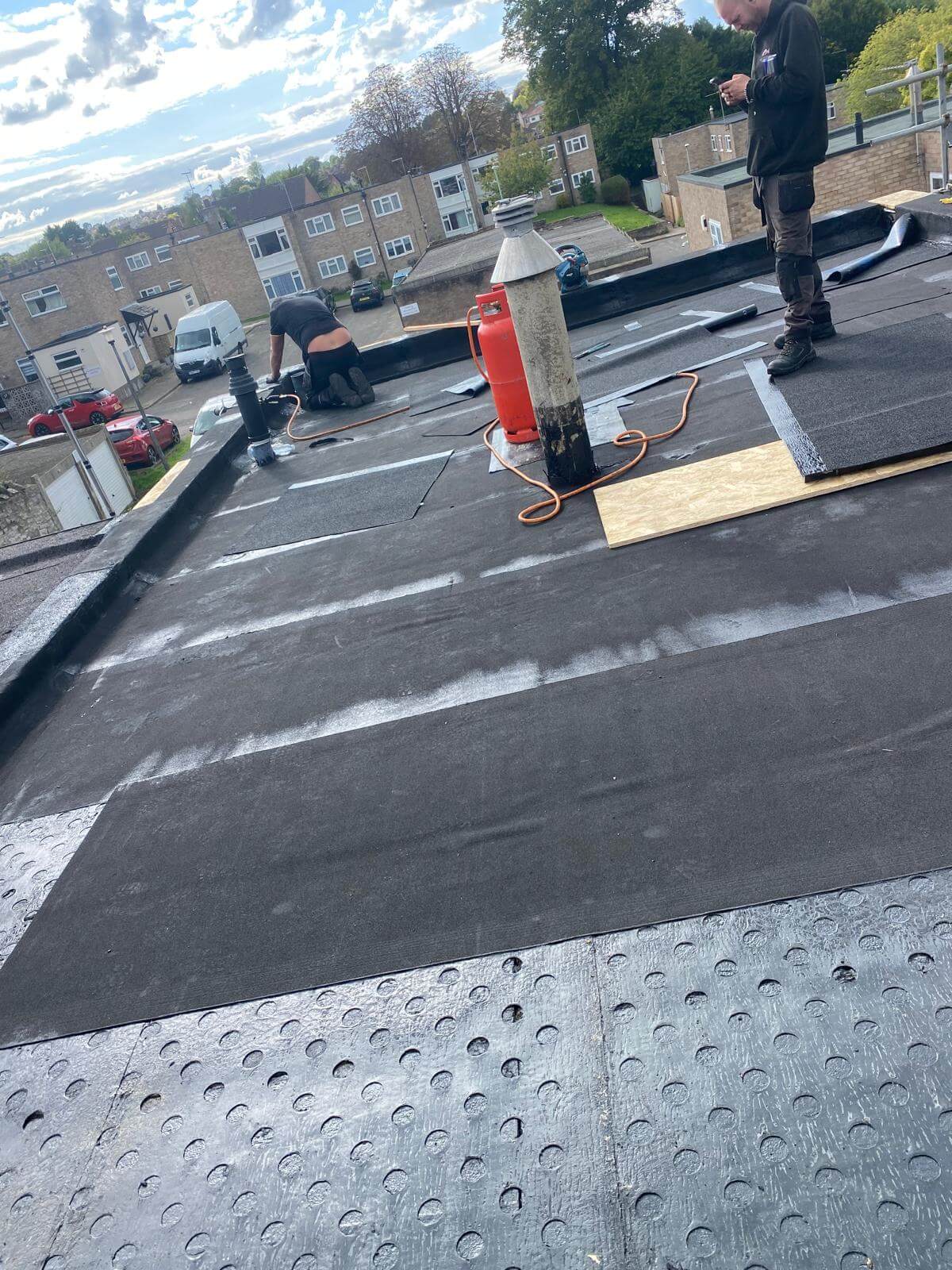
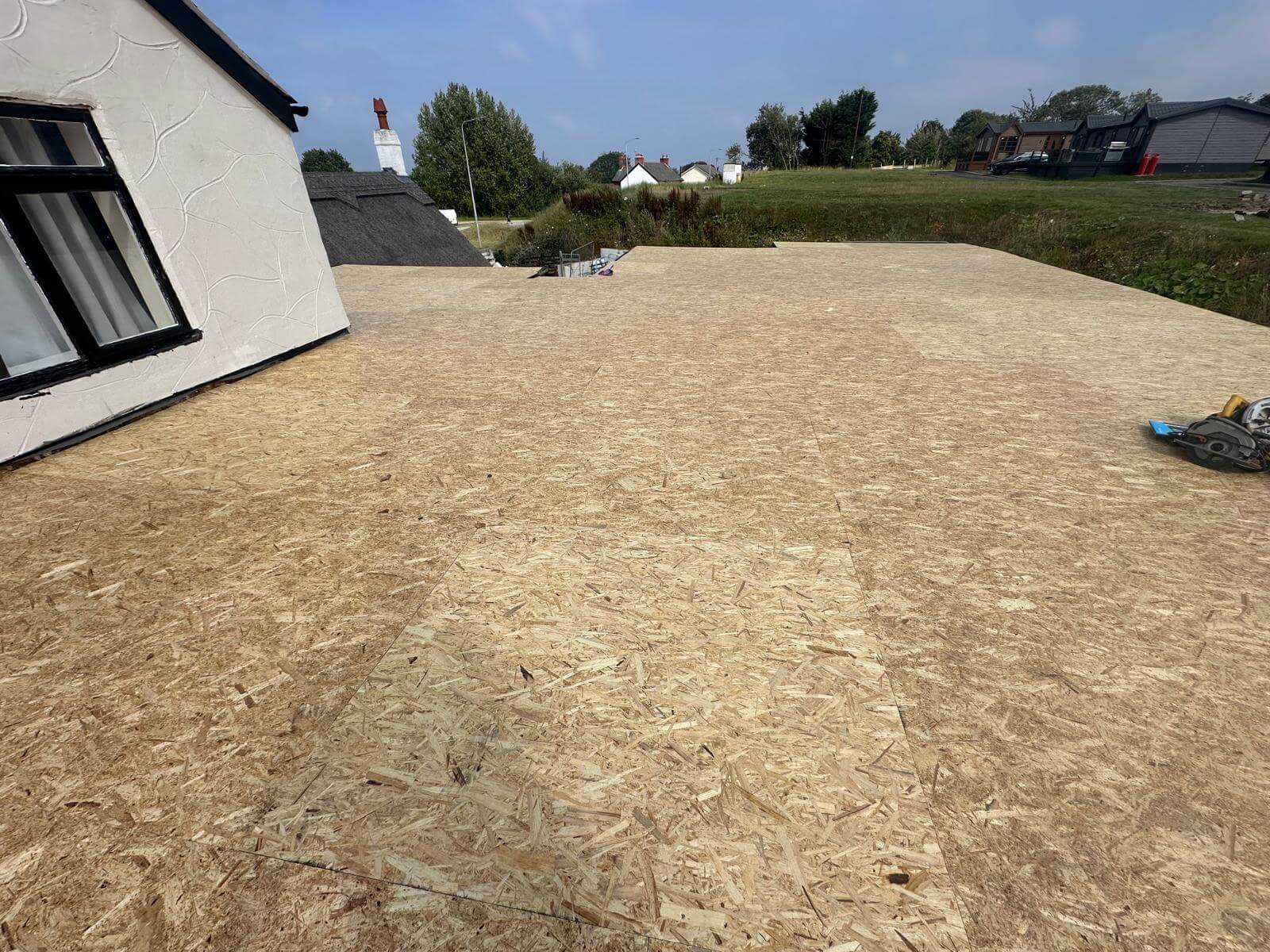
Mineral felt on single-storey kitchen conversions, flat-roof dormers, and garages across BS15 dries out rapidly under summer sun and splits during winter freezes. We strip perished bitumen back to sound timber decking, re-cut firrings to achieve a minimum 1:80 fall, and install Firestone EPDM Rubber membranes. Cold-applied as a single, joint-free sheet with no naked flames, EPDM accommodates natural timber movement and remains completely watertight for over 30 years.
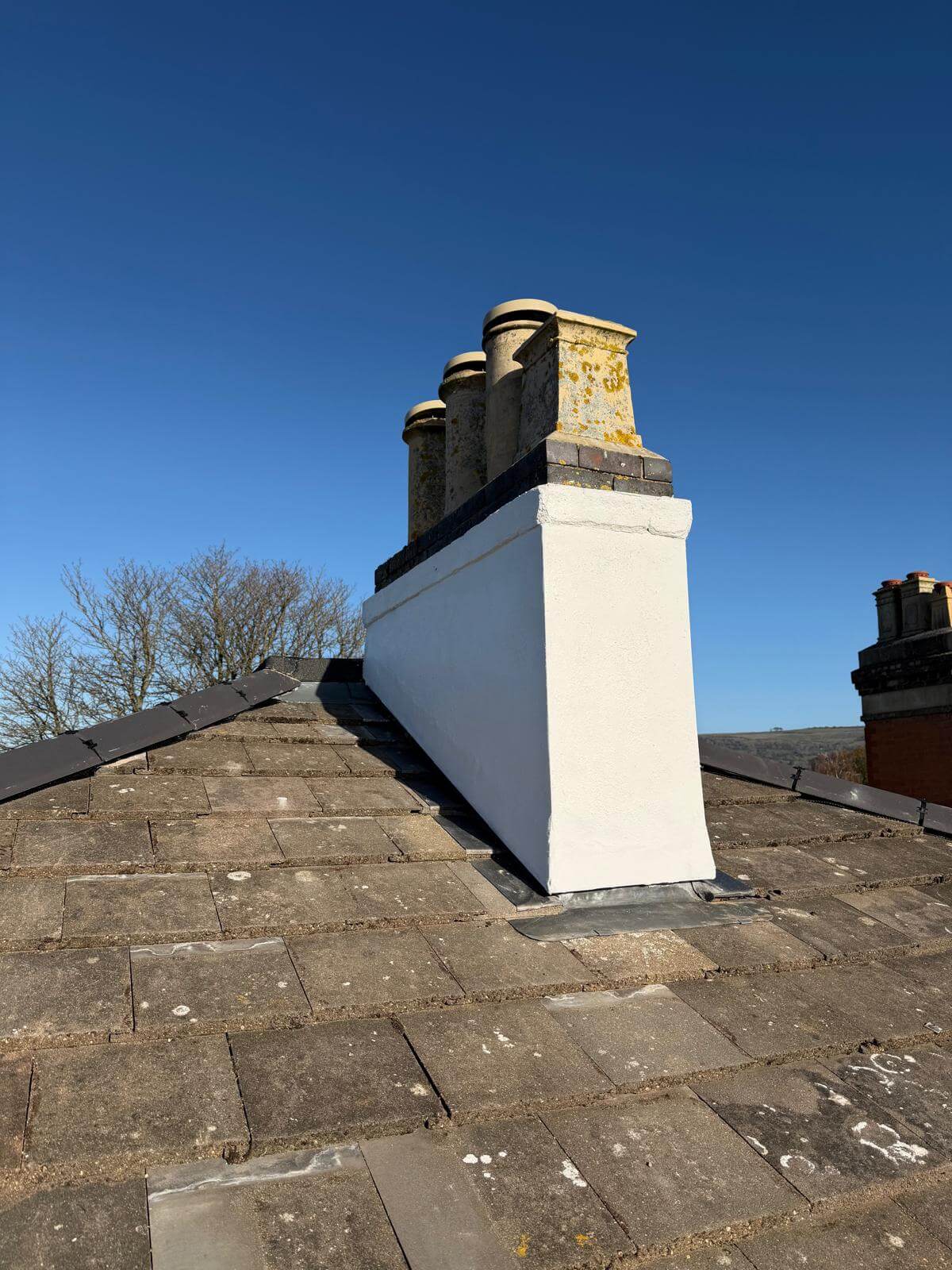
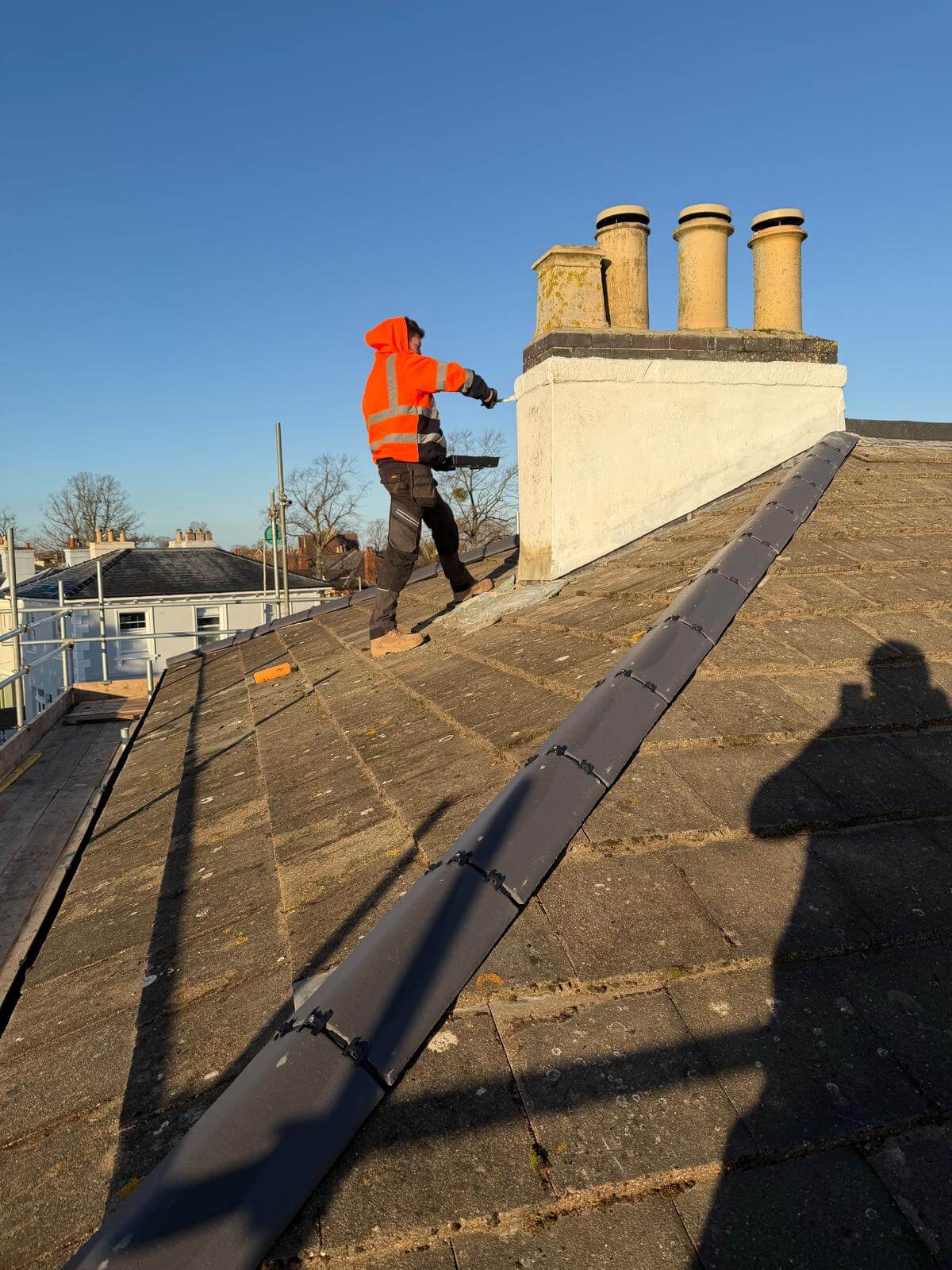
Whether dealing with a Victorian pennant stone stack in Lower Hanham or a shared party-wall brick chimney on a 1930s semi, we resolve stack leaks at the source. We cut out failed, crumbling mortar and repoint using weather-resilient hydraulic lime mixes that allow historic masonry to breathe. For disused flues, we install ventilated pepperpot cowls and replace split, lifting leadwork with BS EN 12588 Code 4 step flashings and Code 5 cover aprons.
Eliminate cracked gable mortar and blown-off end tiles for good. We convert traditional mortar-bedded verges and ridges to mechanical dry-fix systems. Each verge cap and ridge tile is secured directly to the structural timber framework using corrosion-resistant screws and weather-sealed clamping plates, preventing wind-uplift during Atlantic gales without requiring ongoing repointing.
Where pitched roofs meet adjoining gables or extension walls, lead valley troughs must handle substantial rainwater volumes funnelled down from steep slopes. We replace cracked, undersized lead channels with heavy-gauge Code 5 milled lead, incorporating correct thermal expansion laps and anti-capillary side welts to ensure rainwater discharges smoothly into gutters without overflowing into attic spaces.
Memorial Road & Whittucks Road: Characterized by 1930s semi-detached homes with hipped roof profiles. Primary issues include rusted iron hip brackets, loose hip tiles sliding into gutter channels, and split lead aprons around shared party-wall chimneys.
Lower Hanham Road & Hanham Abbots Borders: Dominated by character stone cottages, steep slate pitches, and older clay double-Roman tiles. Common problems stem from nail sickness on natural slate, failing lead flashings around historic masonry, and moss damming on shallow extension pitches.
Mount Hill & Gover Road: Sitting high on the exposed crest overlooking the valley, properties here experience extreme wind buffering. Loose ridge mortar, rattling dry verges, and overflowing gutters during heavy squalls are regular occurrences.
Hanham High Street Corridor: Mixed commercial and Victorian residential stock featuring hidden parapet gutters, flat roofs over rear ground-floor extensions, and weathered chimney stacks with failed top flaunching.



Why does moss build up so quickly on my Hanham roof? Hanham’s proximity to the River Avon valley maintains higher relative humidity levels, which encourages moss and lichen growth—especially on north-facing concrete and clay tiles shaded by mature trees. Thick moss traps moisture, which freezes in winter and spalls the surface of the tile. We manually scrape the moss clear using profiled blades and treat the tiles with a dedicated biocide wash, avoiding high-pressure jet washing that can damage tile interlocks.
Can I replace the leaking felt roof on my single-storey extension with EPDM rubber? Yes. EPDM rubber is the ideal modern replacement for extension flat roofs in BS15. It is installed as a seamless, cold-applied single sheet with no seams or joints across the main roof plane, preventing the edge splits and ponding leaks common with multi-layered mineral felt.
My 1930s semi on Memorial Road shares a chimney. Do both sides need repairing? Because a shared chimney stack straddles the party wall, moisture penetrating from either side can track down into both properties' internal ceilings. Our 4K drone survey records high-resolution footage of all four sides of the stack, the top flaunching, and both lead aprons, allowing you and your neighbor to see the exact condition and share the cost of a comprehensive, permanent repair.
What is the advantage of switching to a dry verge system in Hanham? Because Hanham’s elevated positions face strong winds coming off the river valley, traditional mortar bedded along gable edges eventually dries out, cracks, and drops into gutters, leaving verge tiles unsupported. A mechanical dry verge system screws directly into the roof battens, locking every edge tile down mechanically and creating an airtight, maintenance-free seal that cannot blow off.

Inspecting steep hipped roofs or tall chimney stacks from a ladder gives an incomplete picture of underlying structural wear—and erecting street scaffolding just for an estimate is an expensive, unnecessary hassle.
Thomas Doherty inspects BS15 properties using 4K aerial drone technology:
High-definition, close-range video of chimney pots, flaunching, and stack pointing.
Crystal-clear photographic inspections of hidden lead valleys and rear roof planes.
Direct checks on ridge alignment, tile interlocks, and hip mortar integrity.
On-site footage reviews directly with the homeowner before providing a fixed, transparent written quote.

Whether dealing with an active ceiling leak, a failing extension flat roof, or planning a full re-roof, speak directly with Thomas Doherty.
Telephone: 0117 370 9986
Head Office & Yard: 128 Stoke Lane, Bristol, BS9 3RJ
Coverage Area: Hanham, Hanham Abbots, Mount Hill, Longwell Green, and the entire BS15 region.
Contact TD Roofing Contractors today to arrange your free on-site 4K drone survey and detailed written quotation.


TD Roofing Contractors are your local roofing contractors in Bristol, providing 20+ years of expert service. From emergency roof repairs to new slate installations, we cover all BS postcodes with quality and integrity.
Copyright © 2026 TD Roofing Contractors LTD. All Rights Reserved.
Website by TME Digital