
Southville's housing stock is almost entirely Victorian terrace — tight rows built between 1875 and 1905 along the streets running off North Street and Coronation Road. The main pitched roof drains via cast iron half-round guttering to downpipes at the front and rear elevations. That part is straightforward.
The complication is the rear. The majority of Southville's Victorian terraces have a flat-roofed rear extension — a kitchen or bathroom addition built in the post-war decades — and these extensions typically have either a parapet wall with an internal drainage outlet, or a short section of valley gutter between the extension roof and the main house rear wall. Neither of these elements is part of the visible hung guttering system that most roofers assess from a ladder. Both of them fail silently.
When the parapet outlet on a Southville flat extension blocks — which it does regularly, given the leaf fall and debris accumulation on a flat surface — water backs up across the extension roof and eventually overtops the parapet or forces through the membrane at the weakest point. The symptom is a damp patch on the rear kitchen or bathroom wall that gets blamed on the extension walls, the window frames, or rising damp. The cause is a blocked drainage outlet that a proper survey would have found in five minutes.
We assess both systems — the main cast iron guttering and the extension drainage — on every Southville property survey. It's the only way to give an accurate diagnosis.


Rather than a standard services list, here's a breakdown of the actual failure patterns we find consistently across BS3's Southville terrace rows:
Cast Iron Joint Failure at the Rear Elevation
The rear elevation cast iron guttering on Southville's terraces takes more punishment than the front — it's typically in shade, retains moisture longer, and is less likely to be noticed when it begins overflowing. Joint failures at the rear run against the wall face rather than visibly cascading off the front of the property. The result is slow wall saturation at first-floor rear level that in many cases has been developing for years before the homeowner notices. We check rear elevation guttering as thoroughly as the front on every Southville survey.
Parapet Wall Outfall Blockages on Flat Extensions
The most common failure on Southville's post-war flat extensions. The outfall outlet — typically a short length of pipe or a cast iron shoe through the parapet wall — collects debris from the flat roof surface and blocks progressively. An annual clearance prevents this from becoming a problem. When it's been blocked for an entire winter, the water damage to the rear extension wall can be significant.
Valley Junction Between Extension and Main House
Where the flat extension roof meets the main house rear wall, a valley is formed between the two structures. On Southville's Victorian terraces this valley is typically sealed with lead or mineral felt — and in most cases is original to the extension, now 40 to 50 years old. When this valley lining fails, water tracks down behind the rear wall junction and appears as damp on the ground floor rear room ceiling or at the top of the internal rear wall. It's consistently misattributed to the roof above rather than the valley junction at the rear.
Downpipe Shoe Blockages
The shoes at the base of Southville's cast iron downpipes — the bends where the pipe turns to discharge to the drain at ground level — compact with leaf debris and moss over time. A blocked shoe backs water up the full height of the downpipe and causes overflow at the gutter outlet above. The symptom looks like a gutter overflow problem. The cause is a shoe blockage that's entirely solvable with a rod and a few minutes' work.
Southville has undergone significant change in the past 15 years. The streets running off North Street — Beauley Road, Raymond Road, Greville Road, Stackpool Road — have seen a wave of renovation as the area has become one of Bristol's most sought-after residential locations. Buyers are investing serious money in these properties — kitchen extensions, loft conversions, rear garden rooms — and a failing gutter system that saturates the rear wall or causes recurring damp in a newly renovated kitchen is exactly the kind of problem that undermines a substantial renovation investment.
Getting Southville guttering properly assessed and repaired before or during a renovation project is not just maintenance — it's protecting the investment in everything else. We're experienced working alongside renovation projects in BS3 and can co-ordinate with builders and project managers to ensure the guttering work fits into the wider programme.
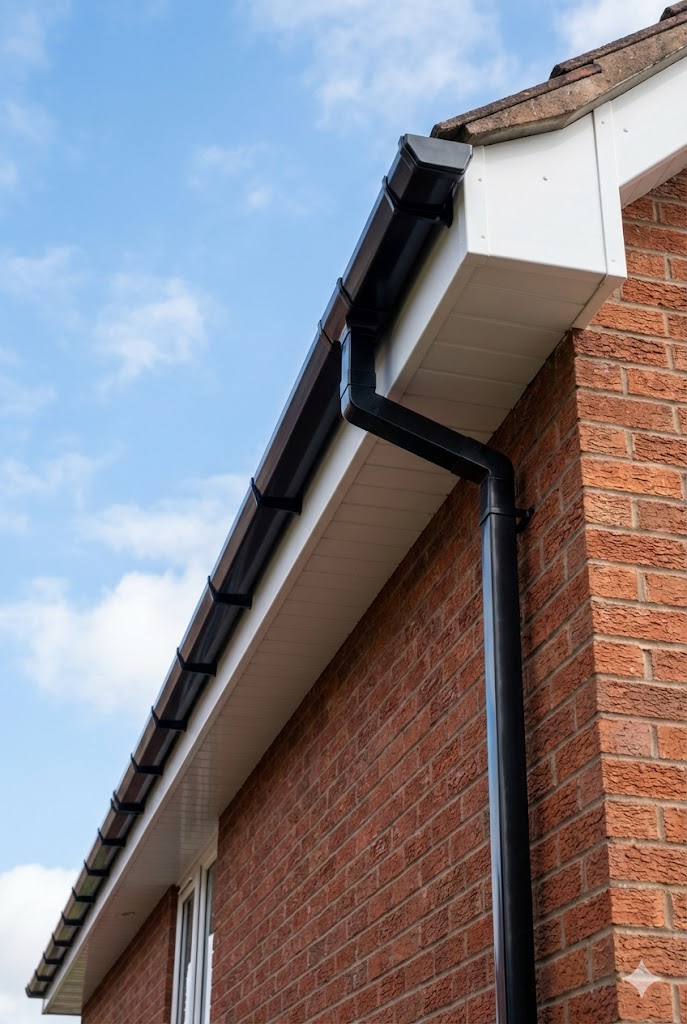
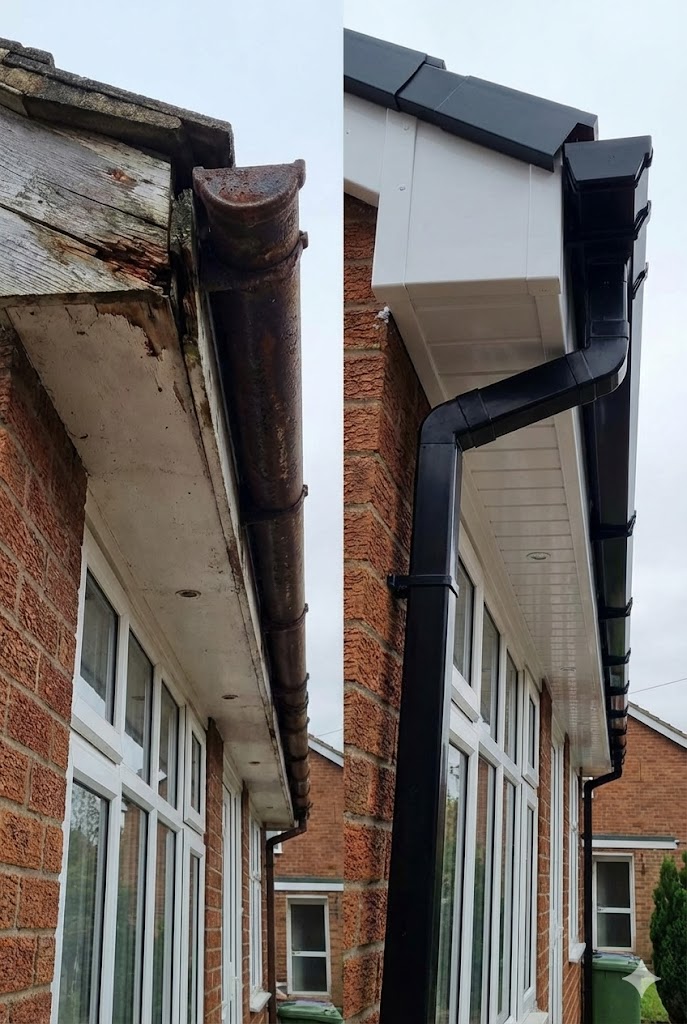
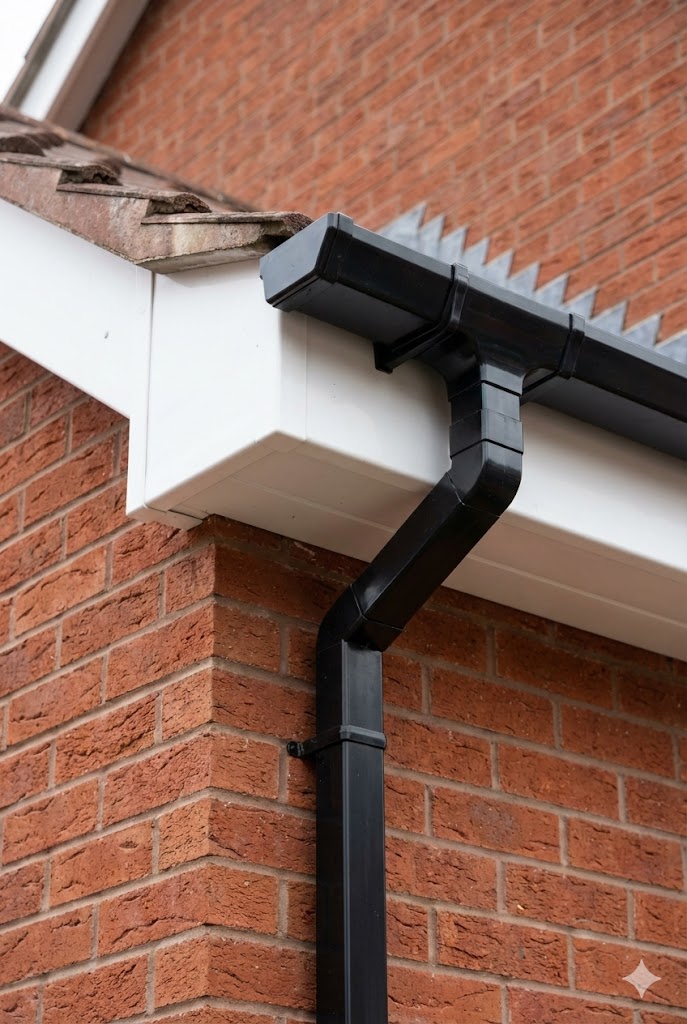
This is the decision most Southville homeowners face when their guttering starts causing problems, and it depends entirely on the age and condition of the system.
Clean if the system is structurally sound and the overflow is caused by debris accumulation. A seasonal clear of the gutters and downpipe flush resolves the problem without any repair cost. We recommend this annually on Southville properties given the leaf fall from the mature street trees along North Street and Coronation Road.
Repair if individual joints have failed, specific brackets have pulled away, or a section has cracked but the surrounding cast iron is in sound condition. Targeted repair on healthy Victorian cast iron is good value — a well-maintained cast iron system can outlast any modern alternative.
Replace if the cast iron has developed widespread through-corrosion across multiple sections simultaneously, the fascia behind it has rotted through from prolonged overflow, or the original downpipes are so corroded that they can no longer be safely secured. At this stage, full replacement in matching cast iron profile or modern aluminium is more cost-effective than continued piecemeal repair.

Overflowing gutters, damp rear wall, or a flat extension drainage problem you can't locate? Call Thomas. We survey both guttering systems — main cast iron and extension drainage — before quoting anything. Written quote, no obligation.

We don’t just "patch leaks." At TD Roofing we deliver engineered solutions specifically designed to withstand the high-velocity winds of the Severn Estuary. Every project is executed strictly to BS 5534 standards, ensuring your home has the maximum wind resistance and structural longevity required for the Bristol climate.


TD Roofing Contractors are your local roofing contractors in Bristol, providing 20+ years of expert service. From emergency roof repairs to new slate installations, we cover all BS postcodes with quality and integrity.
Copyright © 2026 TD Roofing Contractors LTD. All Rights Reserved.
Web Design by Tradesman Marketing Experts